
Edinburgh's Royal Botanic Garden looks at scaling back ambitious glasshouse project as costs soar
Edinburgh's Royal Botanic Garden is looking at having to scale back its once-in-a-generation glasshouse project after costs more than doubled.
The Edinburgh Biomes project - described as "arguably the most visionary and exciting project of the Garden’s 355-year history" - includes the restoration of the garden's two historic Grade A-listed Palm Houses, along with refurbishment of other glasshouses and the construction of new facilities.
However, the Royal Botanic Garden Edinburgh (RBGE) says it is not just about infrastructure, but is also crucial to Scotland’s environmental future and cultural heritage, safeguarding the nation’s living collections and securing Scotland’s leading role in plant health and biodiversity research.

But the £70 million original cost of the project has soared. And RBGE has now submitted a new business case to the Scottish Government, outlining two options - one for a “minimum viable” scheme at an updated cost of £180m, the other for the full project, with a new price tag of £243m.
An Audit Scotland report said the cost of the Palm House refurbishment had jumped from £6.9m to £21.3m, caused partly by the £2.6m cost of replacing the roof and glazing, and an increase of £5.5m in the ironwork restoration package, as well as cost increases resulting from inflation, supply-chain disruption and programme delays.
It added that the fact Scottish Government funding was awarded only one year at a time was “a further challenge to programme delivery”.
The latest business case outlines the differences between the two options. The full project would involve a state-of-the-art plant health suite - to provide a safe bio-secure environment for propagation - integrated with the nursery site and a 900sqm “Glasshouse 0” with conference and meeting room facilities. It would be completed by 2037/38.
A cut-down scheme would see a scaled down modular plant health suite and restoration of existing facilities, along with new visitor entrance facility and updated visitor journey to provide access to Glasshouse 1. It would be finished earlier, in 2034/35.

Simon Milne, Regius Keeper at the Botanic Garden, said: “We continue to work closely with the Scottish Government to secure funding, and to achieve the philanthropic support required to complete all elements of the integrated and essential Edinburgh Biomes programme.
“Edinburgh Biomes is more than an infrastructure project; it is a transformational investment in Scotland’s environmental future, scientific leadership, and cultural heritage.
“Through sustained, targeted investment, the programme will secure our globally significant living collections while safeguarding Scotland’s leadership in plant health and biodiversity research. It will underpin efforts to address the twin crises of biodiversity loss and climate change, now and for generations to come.”
He said the project was also important in offering more to visitors. “Restored glasshouses, improved access, and modern interpretation will allow visitors to experience the collections in new ways, deepening understanding of plants, climate, and biodiversity.
“These improvements will support inclusive learning, inspire future generations, and strengthen the Garden’s role as a place for discovery, wellbeing, and connection with nature.
“With more than 40 per cent of plant species worldwide threatened with extinction, the role of botanic gardens — and the need for fit-for-purpose facilities — has never been greater.”
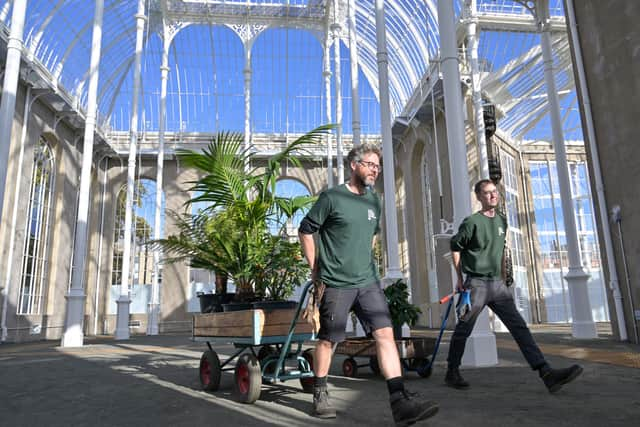
He said stage one of the project was progressing well, with restoration of the two historic Palm Houses completed and staff now moving plants back in and creating new paths, ready for reopening later this year.
And construction of the new Energy Centre - which will cut the Garden’s carbon footprint by using ground-source heat pumps and combined heat and power - was well underway and on programme. It is expected to become operational in spring 2027.
Stage Two of the project is to focus on replacing the Research Glasshouses which are at high risk of failure, and refurbishment of the Category A Listed Front Range Glasshouse which are in a deteriorating condition.
Mr Milne said: “This work is essential to protect irreplaceable plant collections and ensure the continuation of vital research and conservation work. This phase also includes the delivery of modern, urgently needed plant health facilities.”
A Scottish Government spokesperson said: “We have provided a total contribution of around £67 million over six years to the Biomes programme to preserve the national living collection. This includes refurbishment of the Victorian Palm House, and construction of a new Energy Centre, which will generate energy savings costs of £500,000 per annum, as well as cleaner energy.
“Each award has gone through Budget Bill process, with all spending decisions subject to the approval of Scottish Parliament on a yearly basis. We have provided RBGE with flexibility and agreed to the reprofiling of spend across financial years to address the disruption the covid pandemic, Brexit, war in Ukraine and high inflation have had on the supply chain and specialist resources needed.”